
Lily’s Story: Choosing Education in a World That Often Says No
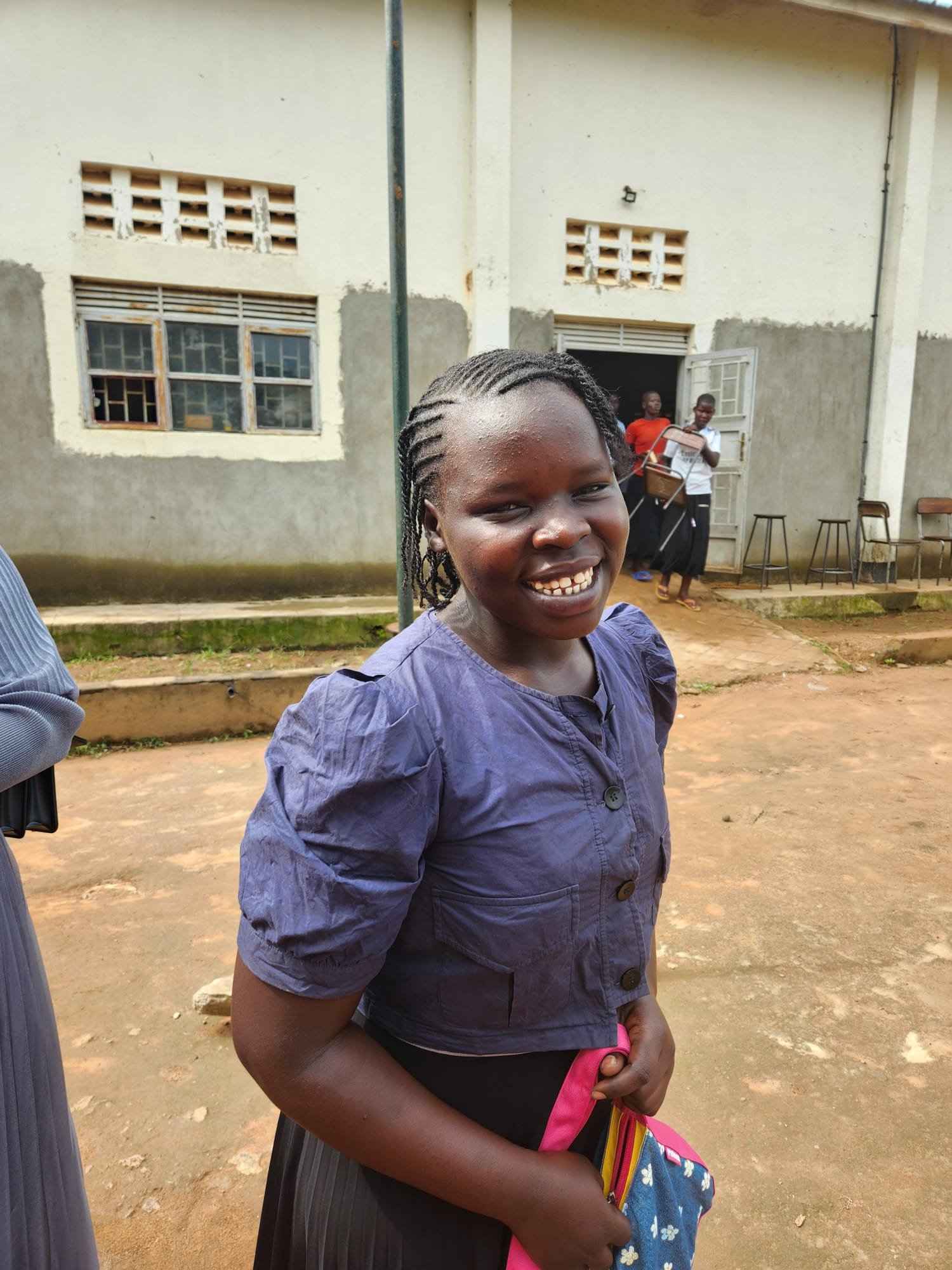
In many rural communities across northern Uganda, a girl’s education is never just about school. It is shaped by economic reality, cultural expectations, family dynamics, and long-held beliefs about a girl’s role, worth, and future.
For girls like Lily, staying in school is not assumed — it is negotiated, delayed, and sometimes denied.
From a young age, girls are often expected to carry significant responsibility within the home. When resources are limited, education can be seen as a luxury rather than a necessity, particularly for daughters. A girl’s value is too often measured by how early she can contribute through labour, caregiving, or marriage, rather than by her potential, her voice, or her aspirations.
Lily’s journey sits within this reality.
Last year, when she was prevented from returning to school to sit her exams, it was not because she lacked ability or commitment. It was the result of pressures that many girls face — financial constraints, competing family needs, and cultural norms that can quietly signal that a girl’s education is optional.
But Lily believed otherwise.
Faced with the possibility that her education might end, she made a decision that required extraordinary courage. She left home, not in defiance, but in hope — believing that protecting her future meant advocating for it. During that time, she fasted. She prayed. She waited. And she held firmly to the conviction that her education was worth fighting for.
In Uganda, education carries profound meaning for girls. It is not only about academic achievement; it is about dignity, agency, and visibility. Education allows a girl to be seen not just as someone’s daughter or future wife, but as a person with capability, insight, and choice. It reshapes how she is perceived — by her family, her community, and often by herself.
In time, her father agreed to support her return. Today, Lily is back in the classroom, continuing her studies with renewed determination and quiet strength. Her journey is a testament to what can change when perseverance meets opportunity — and when families are supported to see education not as a loss, but as an investment.
At Te-Kworo Foundation, we walk alongside girls like Lily because we believe education is transformative — not only for individuals, but for families and communities. When a girl stays in school, cycles shift. Perspectives widen. Futures expand.
Lily’s story is not an exception — it is a reflection of what is possible when belief and support come together.
*Name changed for privacy reasons.