
What It Takes to Reach a Mother in Northern Uganda

Uganda's maternal mortality ratio stands at 189 per 100,000 live births, with a one in 66 lifetime risk of maternal death. (WHO). In northern Uganda, rates are higher than the national average, a region still carrying the health consequences of a prolonged conflict that disrupted communities, displaced families, and dismantled health infrastructure over two decades.
Around 6,000 women and adolescent girls still die every year in Uganda from preventable causes related to pregnancy and childbirth. (UNFPA Uganda). The causes are well understood. Haemorrhage, sepsis, hypertensive disorders, conditions that are treatable when caught early, and fatal when they are not. What drives mortality is rarely the condition itself. It is the delay in reaching care, or the absence of care reaching the woman.
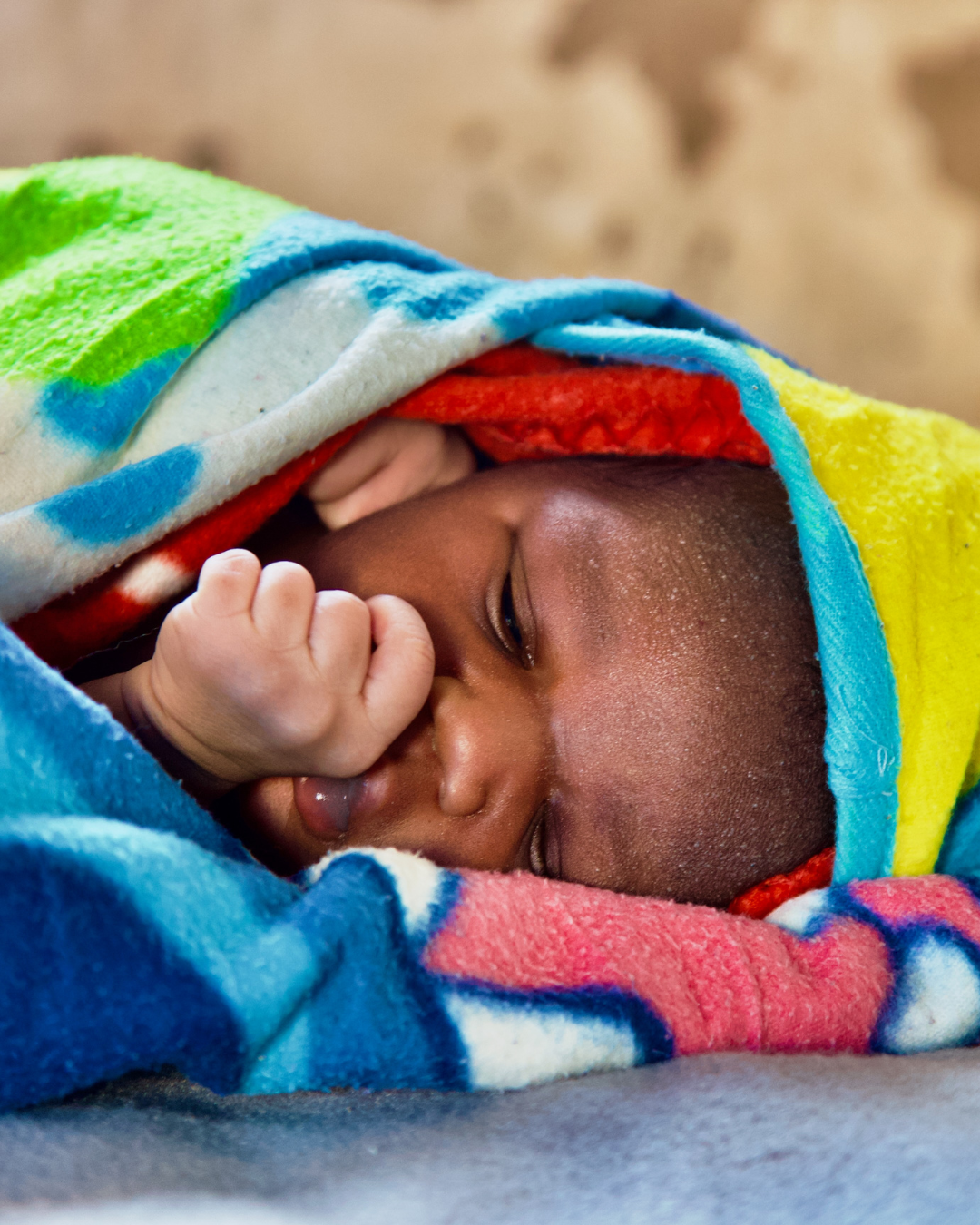
Te-Kworo Foundation's mobile health clinic addresses this gap directly. Rather than waiting for women in remote communities to travel to a facility, the clinic travels to them, providing antenatal care, health education, and early intervention. In 2025, the clinic reached 21,627 people. Alongside this, our Maternal and Child Health Clinic supported 453 pregnant women through free healthcare from early pregnancy to six weeks after birth, and facilitated 247 safe deliveries.
And the work is not finished. Sonic Kworo Hospital, Te-Kworo's new 42-bed maternity hospital in Agago District, is nearing completion. When it opens, it is expected to serve up to 800,000 people in one of the most underserved regions in the country. For women who have never had access to a properly equipped facility, it will mean something that is hard to overstate…Specialist care, safe delivery, and the kind of infrastructure that can hold a community's health needs for generations.